OEM vs Stock Costumes: MOQ & Lead Time
Most costume buyers start with a simple question: should I buy stock styles or develop my own? The answer is usually “both, in a specific order”. Stock gets a range live quickly and tests demand; OEM/ODM builds a product that competitors cannot copy and protects margin once the demand is proven. The mistake is choosing the route before understanding what each one costs in time, cash and risk.
This guide compares the two routes using the terms buyers actually negotiate — MOQ, sample rounds, lead time, tooling and packaging — and explains where the hidden costs sit.
The short comparison
| Item | Stock styles | OEM / ODM |
|---|---|---|
| MOQ | 1 piece per style for a trial order; bulk pricing from 10 pieces | Typically 100–300 pieces per style and color |
| Sampling | Stock-style sample in 3–7 working days | Custom sample after tech pack and fabric confirmation; timing depends on pattern and material |
| Bulk lead time | Usually 2–4 weeks after approval and deposit | Usually 6–10 weeks including sampling and development |
| Customization | Color and size mixing within the stock range; limited trim changes | Pattern, fabric, trims, labels, packaging, size grading |
| Best for | Testing demand, filling a seasonal gap, small retailers | Building a brand, exclusive styles, repeat programs |
Stock buying: speed with boundaries
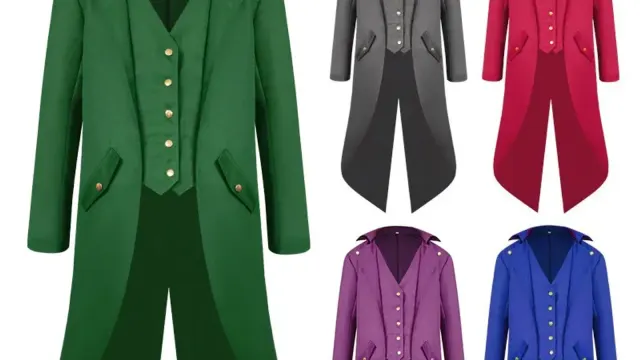
Stock is the fastest way to put a costume range online. You can order one piece per style, mix colors and sizes, and see the actual construction before committing to a bulk run. That makes it useful for market testing: a small retailer can list twenty styles, see which ones sell, and reorder the winners.
The boundaries are real. You are buying a style that other buyers can also sell, the fabric and trims are fixed, and size availability depends on what is in production. Stock also moves: a style that is available this month may be sold out next month, so reorders need to be planned rather than assumed. If you need a consistent look across several seasons, stock alone will not give you that.
OEM/ODM: control with commitments
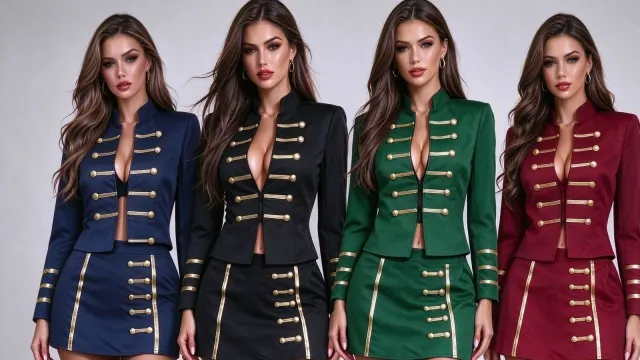
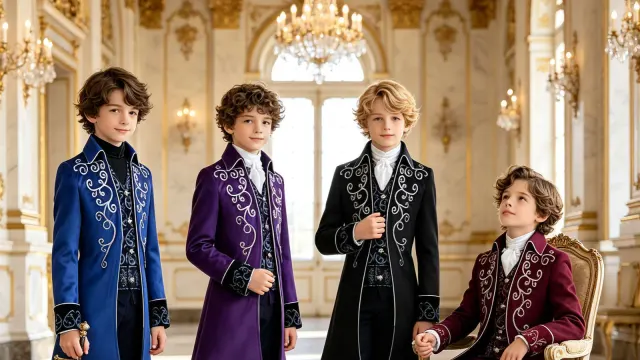
OEM and ODM both produce a costume to your brief. The practical difference is who owns the design. In OEM, you bring the design or tech pack and the factory makes it. In ODM, the factory develops the style from your reference and you brand it. Either way, the commitment is larger: fabric minimums, lab dips, trim development, fit samples and approval rounds all sit before bulk production.
The payoff is a product you control. You can specify the fabric weight, the lining, the closure, the size grade, the label and the packaging. That is how a costume becomes a brand product rather than a catalogue item. It also means the MOQ is higher: custom programs typically start at 100–300 pieces per style and color, depending on fabric and construction.
Where the hidden costs sit
- Fabric minimums — a custom color may require a mill minimum that is larger than your garment order.
- Lab dips and strike-offs — each color approval round costs time, and a second round is common.
- Trim development — custom lace, buttons, buckles or printed labels have their own minimums and lead times.
- Sample rounds — budget for at least one fit sample and one pre-production sample; complex styles may need more.
- Packaging — custom hangtags, poly bags and cartons add cost and a separate production queue.
- Freight timing — a custom program that finishes late may need air freight, which can erase the margin advantage.
How to choose
A practical sequence for a new range is: test with stock, reorder the winners, then convert the best sellers into an OEM/ODM program for the next season. That sequence uses stock to answer the demand question before you spend on development, and it gives you real sell-through data to justify the custom MOQ.
If you already know the style, the size curve and the retail price, go straight to OEM/ODM. If you are still testing a theme or a price point, start with stock and keep the option to develop later.
Our OEM/ODM service covers pattern making, sampling, fabric and trim sourcing, size grading, private label and bulk production. For stock availability, browse the catalogue or send a short brief through the inquiry form.
FAQ
What is the minimum order for a stock costume?
One piece per style for a trial order, with mixed colors and sizes accepted. Bulk pricing starts at 10 pieces per style.
What is the minimum for a custom costume?
Custom programs typically start at 100–300 pieces per style and color, depending on the fabric, trims and level of pattern change. A modification to an existing style usually starts lower than a fully new design.
How long does OEM/ODM take from brief to delivery?
Plan for 6–10 weeks for development and bulk production after the brief is confirmed, plus freight. Stock-style sampling takes 3–7 working days; custom sampling depends on fabric and pattern work.
Can I start with stock and customize later?
Yes, and it is usually the lower-risk route. Test the style with a stock order, then use the sell-through data to justify a custom run with your own colors, labels and size grade.
Planning a seasonal or private-label range? Send us your brief and our team will reply with fabric, sampling and lead-time options.