How to Brief a Private-Label Costume Program
A private-label costume program succeeds or fails on the brief. When the brief is vague, the factory fills the gaps with assumptions, the sample comes back different from what the buyer imagined, and the project spends weeks in revision. When the brief is specific, sampling is faster, the bulk order matches the approved sample, and the label and packaging arrive with the product rather than after it.
This guide is a practical structure for a private-label brief, based on the information we ask for before quoting a costume program. It is written for brand owners, retailers and sourcing teams.
The commercial brief
- Target retail price and landed cost — the price point sets the fabric, construction and packaging budget.
- Quantity by style, colour and size — the size curve matters as much as the total; it drives fabric booking and grading.
- Delivery date and channel — retail launch, marketplace, wholesale or event. The channel determines packaging and labelling.
- Market and compliance requirements — destination country, children’s or adult product, labelling and testing expectations.
- Repeat plan — whether the style is a one-off or a seasonal repeat. Repeat programs can justify a larger first order and a more durable construction.
The product brief
The product brief becomes the tech pack. It should include:
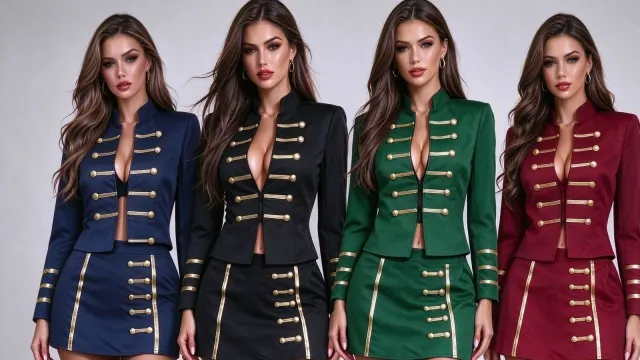
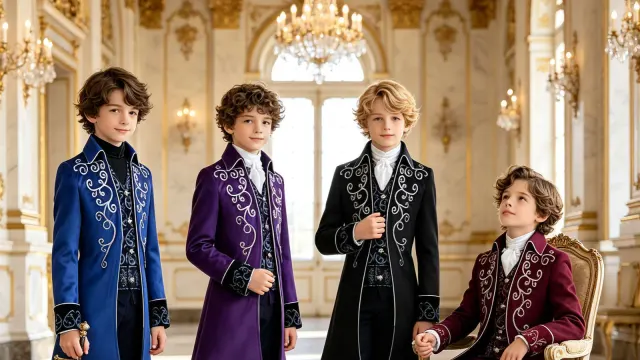
- Reference images — front, back, side and detail shots; mark which details are essential and which are flexible.
- Technical drawings — a flat sketch with seams, darts, closures and topstitching marked. If you do not have drawings, say so; the factory can draft them from references.
- Measurements and size grade — a full size chart with tolerances, not only the middle size.
- Fabric and trims — fibre content, weight, stretch, lining, lace, buttons, zips, boning and any special finish. Send swatches where possible.
- Colour references — Pantone or TCX codes, with a note on which colours are critical and which can be matched to the nearest available.
- Construction notes — seam type, hem finish, closure position, interfacing and visible topstitching.
- What is included — the main garment, plus any belt, cape, hat, wig or accessory that ships with it. Ambiguity here is a common source of disputes.
The brand and packaging brief
Private label is not only the woven label. Decide the full branding set before sampling: woven labels, printed care labels, hang tags, size labels, poly bags, tissue paper and retail cartons. For marketplaces, include barcode and FNSKU requirements; for retail, include carton markings and any pallet or case-pack rules.
Keep the label copy consistent with the product: fibre content, care instructions, country of origin and any market-specific warnings. If the label copy changes after the sample is approved, the bulk order may need a new approval round.
Sampling and approval
- Kick-off review — confirm the brief, the target price and the sampling schedule. Flag any fabric or trim that needs sourcing.
- First fit sample — check the silhouette, measurements and construction against the brief. Mark changes on the sample or in a photo annotation.
- Second sample — confirm the changes and approve the colour, fabric and trims. This is the sample that becomes the bulk reference.
- Pre-production sample — produced with the actual bulk fabric and trims; this is the final check before cutting.
- Bulk and inspection — production, in-line checks and final inspection against the approved sample and spec.
Stock-style samples take 3–7 working days. Custom samples depend on fabric sourcing and pattern work. Bulk production is usually 2–4 weeks after approval and deposit; full OEM/ODM programs typically take 6–10 weeks. Custom MOQ is usually 100–300 pieces per style and colour, depending on fabric and construction.
Common brief mistakes
- Approving a single size and expecting the full grade to fit.
- Leaving accessories out of the what-is-included list.
- Choosing a custom colour without checking the fabric mill’s minimum.
- Changing label or packaging artwork after the pre-production sample.
- Planning a retail date without a freight buffer.
Our OEM/ODM page lists the development steps, and the quality control page explains the inspection process. To start a private-label brief, send the reference, target price, size curve and retail date through the inquiry form.
FAQ
What is the MOQ for a private-label costume?
Typically 100–300 pieces per style and colour, depending on fabric, trims and the level of pattern change. Modifying an existing stock style usually starts lower than a fully new design.
Do I need a tech pack to start?
A complete tech pack speeds up sampling, but it is not mandatory. If you have reference images, measurements and a clear description, we can review the brief and advise what is missing.
How many sample rounds should I plan for?
At least one fit sample and one pre-production sample. Complex styles, new fabrics or detailed trims may need an additional round. Each round adds time, so approve changes in one consolidated pass where possible.
Can you handle labels, hang tags and cartons?
Yes. We produce woven labels, printed care labels, hang tags, poly bags and retail cartons to your artwork, including barcode and FNSKU labels for marketplace requirements.
Planning a seasonal or private-label range? Send us your brief and our team will reply with fabric, sampling and lead-time options.