From Reference Art to Bulk Cosplay Costumes: OEM/ODM Development Explained
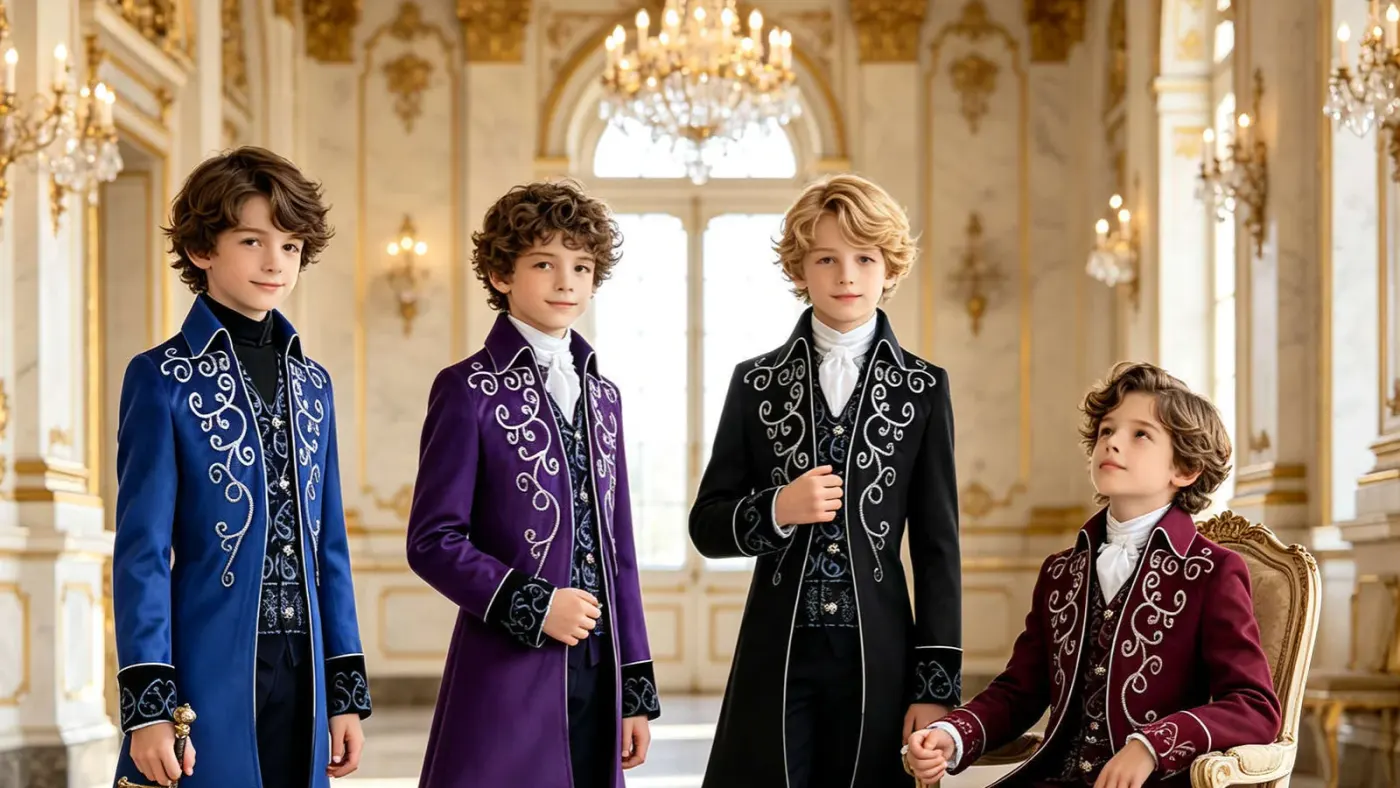
A reference image is the beginning of a costume, not a specification for one. Between the image and a carton of finished pieces there are pattern decisions, fabric choices, fit approvals and a dozen small construction questions that determine whether the finished product looks like the drawing or merely resembles it.
This guide explains how we develop a custom cosplay or costume style, using the same sequence for a single sample and for a bulk program. It is written for buyers who have artwork, a mood board or a competitor reference and need to understand what happens next, what it costs in time, and where the risks sit.
OEM, ODM and private label: what the terms mean
- OEM — you bring the design and specification; the supplier manufactures it. The design intent belongs to you.
- ODM — the supplier offers an existing design that you can adapt with your colours, trims, labels and packaging.
- Private label — a stock or adapted style produced under your brand, with your label, size stickers and packaging.
Most costume programs sit somewhere between these models. A buyer may start from a stock silhouette, change the fabric and colour, add a licensed or original artwork element, and finish with private-label packaging. The development path should be agreed at the start, because it determines who owns the pattern, who approves the artwork, and how much sampling is required.
Step 1: Write the brief
A useful brief answers six questions:
- What is the product? A full costume, a robe, a corset, an accessory set, or a coordinated family range.
- Who wears it? Adults, kids, plus sizes, unisex, stage performers or cosplayers.
- What is the reference? Original art, a licensed character, a historical painting, a film still, or a competitor product.
- What is the target price? Retail price and target FOB, so fabric and construction can be selected to fit.
- What is the size range? S–XL, extended sizes, kids’ sizes, or a made-to-measure program.
- When is it needed? The retail date, not the production date.
Include clear front, back and detail images. If the reference is a licensed character, confirm that you have the rights to reproduce the design. We do not copy protected artwork, logos or character trade dress without authorisation.
Step 2: Feasibility, fabric and trim sourcing
The first technical pass asks whether the design can be made at the target price and whether the materials exist. A heavily embroidered coat may be feasible at a premium price and impossible at an entry price. A specific shade of velvet may be available only in a large minimum order. A metal-looking armour piece may need to be vacuum-formed, moulded or sewn from faux leather, each with a different cost and weight.
We usually return a short feasibility note covering:
- Recommended fabric and trim options, with swatches where possible.
- Construction approach for the key silhouette and details.
- Estimated sample and bulk lead time.
- Minimum order per style and colour.
- Any design change needed to hit the target price.
This is the cheapest moment to change the design. A simplification at the brief stage costs nothing; the same change after pattern making and sampling costs time and sample fees.
Step 3: Pattern making and the first sample
Once the brief is approved, the pattern is drafted from the measurements and reference. For a new design, the first sample is a development sample: it tests the silhouette, the fabric behaviour and the construction, not the final finish. Expect it to be close but not perfect. Minor issues are normal at this stage.
We photograph the sample on a form or model and record measurements point by point. If you are approving remotely, ask for photos of the inside seams, closures, hem and any trim attachment, not just the front view. A video call with the sample in hand is often faster than another round of emails.
Step 4: Fit and construction review
Review the sample against the brief and the measurement spec. Separate the feedback into three categories:
- Fit — too tight, too long, armhole position, waist placement, neckline depth.
- Construction — closure type, seam finish, lining, interfacing, trim attachment.
- Aesthetic — colour, proportion, detail scale, overall likeness to the reference.
Mark the changes on photos and in the measurement sheet. Avoid vague comments such as “make it look better”; specify what should change and by how much. If a change affects the pattern, the next sample is a revised fit sample. If it only affects trim or colour, it may be handled at pre-production.
Step 5: Pre-production sample and grading
The pre-production sample is the reference for bulk. It should use the final fabric, trims, labels and closures, and it should be approved in writing before cutting begins. At the same time, the pattern is graded across the size range. Grading is not a simple scale-up: armholes, necklines and waist positions need to be adjusted so the garment still fits at the ends of the range.
If you sell extended sizes, ask for a fit sample in the largest size, not only the middle. A style that works at M can fail at 3XL if the grading was mechanical. Our plus-size collection shows how we approach extended sizing in stock programs.
Step 6: Bulk production, QC and packing
Bulk starts after the pre-production sample, fabric and trims are approved and the deposit is received. Standard production is typically 2–4 weeks; a fully custom program with new fabric and pattern work typically takes 6–10 weeks. During production, the key checkpoints are fabric inspection, cutting accuracy, in-line sewing checks, measurement audit and final inspection.
Packing should be specified in the purchase order: polybag or hanger, size sticker, barcode, care label, and carton mark. If the product is sold online, a compact fold and a clear size label reduce returns. If it is sold in a retail store, a hanger and a presentation bag may matter more. Our quality-control page describes the inspection sequence in more detail.
What can go wrong
| Risk | When it appears | How to reduce it |
|---|---|---|
| Design is not feasible at the target price | Brief or feasibility | Agree the price ceiling before sampling; simplify early |
| Fabric shade or weight differs | Fabric sourcing | Approve a physical swatch, not a screen colour |
| Fit drifts after grading | Grading | Fit the smallest and largest sizes, not only M |
| Trim lifts or tarnishes | Sampling and wear | Specify stitched attachment and test cleaning |
| Artwork or character rights are unclear | Brief | Confirm authorisation before development |
| Schedule slips in peak season | Production and freight | Book capacity and freight space early |
Working with reference art responsibly
Cosplay development often starts from a character or an artist’s design. If the character is protected, the buyer needs permission or a licence to reproduce it commercially. If the reference is an independent artist’s work, the artist should be credited or licensed. We can help interpret a design and solve construction problems, but we cannot grant rights we do not hold.
For original designs, keep a copy of the artwork, the approval emails and the final tech pack. They are useful if a future reorder needs to match the original, and they clarify what was approved if a question arises later.
If you have a design ready to develop, send the reference images, target price, size range and retail date through the inquiry form. We will reply with a feasibility note and a sampling plan. Custom programs typically start at 100–300 pieces per style and colour, and stock styles can begin with a one-piece trial.
FAQ
What is the difference between OEM and ODM?
In OEM, you provide the design and specification and the supplier manufactures it. In ODM, the supplier offers an existing design that you adapt with your colours, trims, labels and packaging. Private label usually means a stock or adapted style produced under your brand.
How long does custom cosplay development take?
A custom program typically takes 6–10 weeks from approved brief to bulk completion, depending on fabric sourcing and the number of sample rounds. Add freight time and plan backwards from the retail date.
What is the minimum order for a custom costume?
Custom designs typically start at 100–300 pieces per style and colour, depending on fabric and construction. Stock styles can start from one piece for a trial order, with bulk pricing from 10 pieces.
Can you copy a character costume from a photo?
We can develop a costume inspired by a reference, but we do not reproduce protected characters, logos or artwork without authorisation from the rights holder. Send the reference and confirm the rights before development begins.
Planning a seasonal or private-label range? Send us your brief and our team will reply with fabric, sampling and lead-time options.