
Costume Care and Storage: Velvet, Lace, Sequins and Chainmail
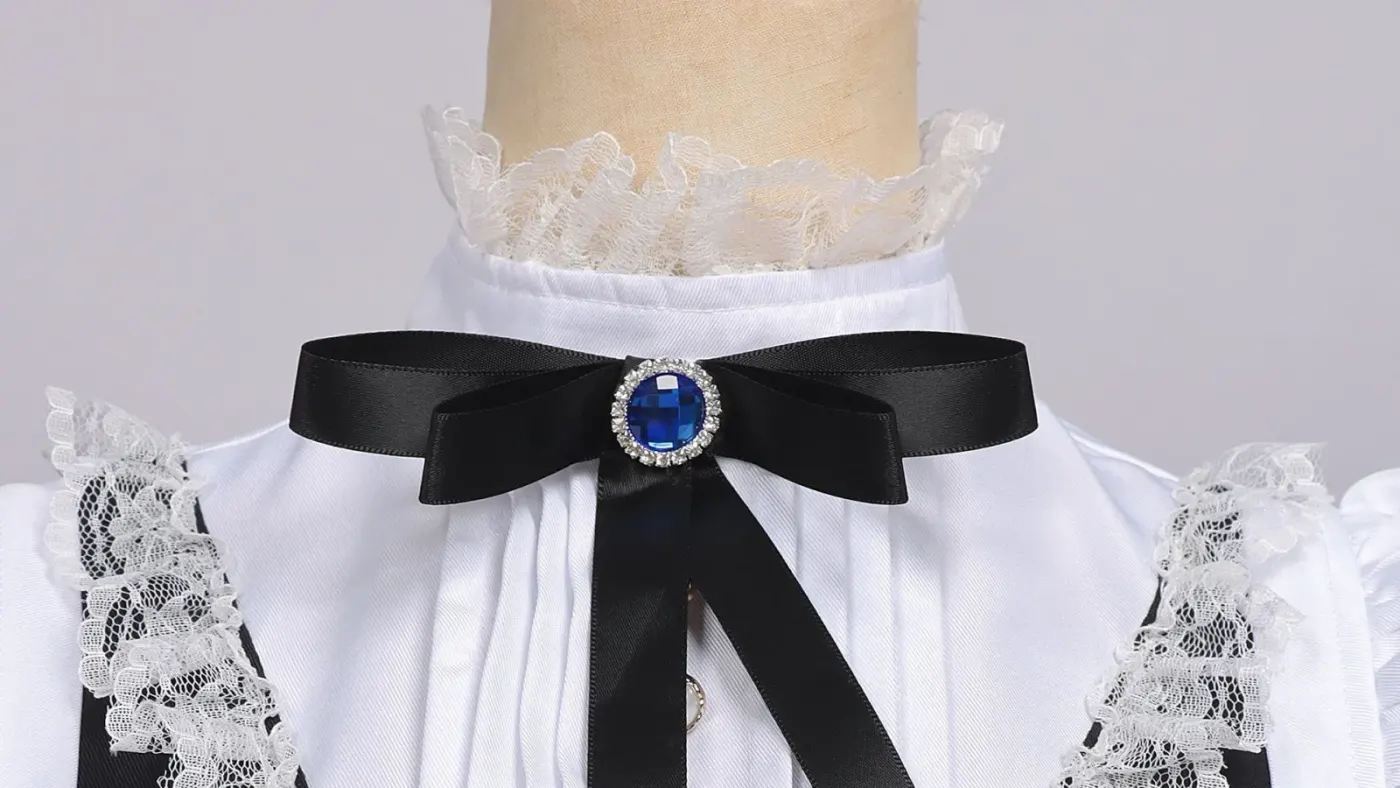
A costume can survive a party and still be ruined by the way it is packed afterwards. Velvet crushes, lace snags, sequins dull, chainmail tangles and faux leather creases in the cold. For retailers holding seasonal stock, rental houses reusing garments, and theatres running a show for weeks, care and storage are part of the product cost.
This guide covers the materials most common in costume programs and the practical rules we give buyers when they ask how to protect a range between seasons. Always start with the care label and test any method on a hidden area; the notes below are general guidance, not a substitute for the specific instructions on the garment.
Read the care label first
Care labels are written for the weakest component, not the strongest. A polyester velvet robe with a metallic braid may be washable in theory but the braid may tarnish. A sequin dress may survive hand-washing but lose colour from a spot treatment. If the label says dry clean, follow it; if it says spot clean, do not machine-wash because the outer fabric looks sturdy.
For a bulk program, agree the care instructions with the supplier before production. The label should match the materials and trims actually used, and it should be tested on a sample if the product will be cleaned repeatedly.
Velvet and velour
Velvet is a pile fabric. The pile gives it depth and colour, and it is easily crushed by folding, stacking and heat. Store velvet hanging where possible, with space around it, and avoid pressing it flat under other garments. If it must be folded, fold along the pile direction and pad the fold with acid-free tissue.
Steam is usually safer than direct ironing. Hold the steamer above the surface rather than touching the pile, and test on an inside seam. If ironing is unavoidable, use a pressing cloth and a low setting, and never let the iron sit on the pile. Brushing the pile gently after steaming can restore the direction and sheen.
For cleaning, follow the label. Many velvets are dry-clean only; some polyester velours can be hand-washed cold and hung to dry away from direct heat. Do not wring or tumble dry, which can flatten the pile permanently.
Lace and tulle
Lace is a openwork fabric with delicate threads and raised motifs. It snags on zips, hooks, jewellery and even rough skin. Store lace flat or rolled rather than hanging, because the weight of a long skirt can distort the pattern. If hanging is necessary, use a padded hanger and support the skirt with a shelf or a second hanger.
Tulle holds shape with stiffness that can be lost through heat and compression. Store tutus and tulle skirts in a breathable bag, not a vacuum bag, and avoid stacking heavy items on top. A light steam can revive crushed tulle, but keep the iron away from the net.
For cleaning, hand-wash in cool water with a mild detergent, rinse gently and roll in a towel to remove water. Do not wring. Dry flat on a clean towel, reshaping the lace as it dries. If the lace is beaded or has metallic thread, check the care label first.
Sequins, beads and metallic trim
Sequins are usually sewn or glued to a backing. Sewn sequins are more durable, but the thread can break; glued sequins can lift with heat or cleaning. Store sequined garments flat or rolled, with the decorated side facing inward and tissue between layers, so the sequins do not catch on each other.
Metallic trim, braid and buttons can tarnish with moisture and skin oils. Keep them dry, avoid perfume and hairspray on the garment, and store with a moisture absorber in humid climates. If a metallic trim is stitched, check the thread ends and secure any loose ones before storage; a single loose thread can unravel a row.
Do not iron directly over sequins or beads. Use steam from a distance, or press the back of the fabric with a pressing cloth. For a heavily decorated piece, professional cleaning is usually the safest option.
Chainmail and metallic mesh
Costume chainmail is often a knitted metallic mesh or plastic chain, not historical armour. It is heavy, scratchy and prone to snagging. Store it flat or hanging on a padded hanger, not crumpled in a bag, where the links can tangle and distort. Keep it away from Velcro, lace and knitwear, which it will catch on.
If the mesh is metal, moisture can cause rust or discolouration. Dry it thoroughly after wear, especially if it has been near sweat or rain, and store it with a moisture absorber. A light coat of a suitable protective oil may help on some metals, but test it first and avoid products that attract dust.
Check the joins and edges before each use. A sharp link can scratch skin or snag the underlayer. For theatre and rental, keep a repair kit with spare links, jump rings and a pair of pliers.
Faux leather and suede
Faux leather is a coating on a fabric backing. It can crack at fold lines, peel at edges and stiffen in cold storage. Store it hanging or rolled, not tightly folded, and keep it away from direct heat. Clean with a damp cloth and a mild soap, then dry naturally; do not use solvents or a hot iron.
For armour skirts and bracers, store the pieces flat or on a form so the shaped areas keep their curve. If a piece has been folded in a carton for months, a gentle warm room and a light hand-shaping can relax the creases, but avoid a hair dryer or radiator.
Feathers, hats and accessories
Feathers crush and lose shape when stacked. Store feather pieces in a rigid box with tissue, or hang them with the feathers supported. Keep them away from moths and damp. Hats should be stored on a form or stuffed with tissue, brim down or supported, depending on the shape.
Masks, crowns and props should be packed separately so they do not press into fabric. Small accessories are easy to lose; a labelled bag per style helps when a rental or theatre stock is checked in and out.
Storage by material
| Material | Best storage | Avoid |
|---|---|---|
| Velvet / velour | Hanging with space, or padded folds | Stacking, heat, direct ironing |
| Lace / tulle | Flat or rolled, breathable bag | Hanging long skirts, vacuum bags |
| Sequins / beads | Flat or rolled, tissue between layers | Iron, heat, friction against other pieces |
| Chainmail / mesh | Flat or padded hanger | Crumpling, Velcro, damp storage |
| Faux leather | Hanging or rolled, cool and dry | Tight folds, heat, solvents |
| Feathers / hats | Rigid box with tissue | Stacking, damp, moths |
Rental and theatre programs
Rental and theatre costumes need a check-in and check-out process, not just a storage room. A simple system records the style, size, components and condition at check-out, and inspects the same points at return. Keep a repair kit for loose trims, hooks and seams, and set a rule for when a piece is retired.
Cleaning between wears should match the material. A velvet cloak may need spot cleaning and airing rather than a full wash; a cotton shirt may be machine-washable. If the show runs for weeks, rotate pieces where possible and plan a mid-run inspection.
Shipping and long-term storage
For shipping, use a carton that allows the garment to lie flat or hang in a garment bag. Do not compress velvet or tulle under heavy cartons. Add tissue at fold lines and a moisture absorber for humid routes. If the goods will sit in a warehouse for months before the season, store them in a cool, dry place away from sunlight and check them before dispatch.
Our shipping and returns page covers packing and delivery, and our quality-control process includes trim and closure checks before packing. If you need a care label or a storage recommendation for a private-label program, include it in the brief so it is tested with the sample.
FAQ
Can velvet costumes be washed?
It depends on the fibre and the trim. Many velvets are dry-clean only, while some polyester velours can be hand-washed cold and dried flat away from heat. Follow the care label and test any method on a hidden area.
How should I store a sequin dress?
Store it flat or rolled with tissue between layers, decorated side inward, so the sequins do not catch on each other. Avoid heat and direct ironing, and keep metallic trim dry to prevent tarnish.
Why does faux leather crack in storage?
Faux leather is a coating on a fabric backing and can crack at tight folds or in cold, dry conditions. Store it hanging or rolled, avoid heat and solvents, and do not compress it under heavy cartons.
Can you add custom care labels to a private-label order?
Yes. Provide the care instructions and label artwork with the brief. The label content should match the final fabric and trims, and we recommend testing the care method on the approved sample before bulk production.
Planning a seasonal or private-label range? Send us your brief and our team will reply with fabric, sampling and lead-time options.